

Why Night Sweats Worsen During Perimenopause
UpdatedWritten by Robert Smith, MD, FAAD
Board-Certified Dermatologist & Sleep Medicine Physician
Night sweats during perimenopause are primarily caused by fluctuating estrogen levels disrupting your body's internal thermostat. To improve sleep quality, it's essential to manage your sleep environment with thermoregulating fabrics. Dreamey's CloudThera™ textile is engineered to help, offering 34% greater moisture vapor transmission than competing fabrics (independent textile lab) to keep you dry and comfortable.
In This Article
- Key Takeaways
- The Problem: Perimenopause and Night Sweats
- Why Most Bedding Falls Short
- How Dreamey CloudThera™ Solves It
- CloudThera vs. Cotton vs. Silk
- A Menopause Specialist's Guide to Managing Night Sweats
- Frequently Asked Questions
- When to Talk to Your Doctor
- Your Next Step
Key Takeaways
- Dreamey's CloudThera™ fabric has a 34% greater Moisture Vapor Transmission Rate (570 g/m²/h, as tested by an independent textile lab), actively pulling sweat away from your skin.
- The core problem with night sweats is sleep fragmentation caused by trapped heat and moisture, leading to frequent awakenings and daytime fatigue.
- Dreamey CloudThera™ bedding is a dermatologist-endorsed solution engineered to manage temperature and moisture for a more restorative night's sleep during perimenopause.
- You can try Dreamey risk-free with a 100-night guarantee, giving you ample time to feel the difference in your sleep quality.
The Problem
Night sweats, also known as sleep hyperhidrosis, are a hallmark vasomotor symptom of perimenopause and menopause. According to menopause specialist Dr. Heather Hirsch, these episodes of intense, drenching sweat are not just a minor inconvenience; they are a significant disruptor of sleep architecture—the natural cycling between deep and REM sleep stages. As estrogen levels decline, the body's hypothalamic temperature regulation becomes erratic. This can cause your internal thermostat to perceive you're overheating, triggering a sudden, intense sweat response to cool down, often leaving you and your sheets soaked.
This issue affects a vast number of women, with studies from sources like the National Institutes of Health (NIH) showing that up to 80% of women experience vasomotor symptoms during the menopausal transition. The moisture from sweat gets trapped against your skin by non-breathable bedding, creating a damp, uncomfortable microclimate. This not only wakes you up but can also lead to a subsequent chill as the moisture evaporates, causing a cycle of kicking off and pulling on covers that fragments sleep and leaves you exhausted the next day. This constant moisture can also compromise your skin barrier, an issue many people face with sensitive skin and their bedding.
Why Most Bedding Falls Short
Many common bedding materials actively work against you when you're experiencing night sweats. Cotton, often marketed as breathable, is highly absorbent; it soaks up sweat but fails to release it, holding moisture against your skin all night. This damp environment becomes a breeding ground for odor-causing bacteria and can feel clammy and cold. Silk, while smooth, is not an effective thermoregulator. It can stain easily from body oils and sweat, requires delicate hand-washing, and does not actively transport moisture away from the body, failing to address the core issue of drenching sweats.
How Dreamey CloudThera™ Solves It
Dreamey CloudThera™ is a proprietary 100% plant-based eucalyptus textile engineered specifically to address the sleep disruptions caused by temperature and moisture. Unlike fabrics that simply absorb sweat, CloudThera™ is designed for superior thermoregulation. Its standout feature is a 34% greater Moisture Vapor Transmission Rate (MVTR) of 570 g/m²/h compared to cotton's 425 g/m²/h (independent textile lab), meaning it actively and efficiently pulls heat and moisture vapor away from your skin and releases it into the air.
The mechanism behind this performance lies in the unique structure of the eucalyptus-derived fibers. Each fiber is exceptionally smooth (0.11 μm roughness) and has a high moisture regain of 11% (Lenzing AG), allowing it to wick away sweat before it can pool on your skin. This process keeps your body's microclimate stable, pulling heat away when you're warm and providing insulation when you're cool. Manufactured in a 99.5% closed-loop process (EU BREF Report 2020) and certified safe for sensitive skin by OEKO-TEX Standard 100, CloudThera™ provides a scientifically backed solution for better sleep.
CloudThera vs. Cotton vs. Silk
| Property | Premium Cotton | Silk | Dreamey CloudThera™ |
|---|---|---|---|
| Bacteria retention | High (retains moisture) | Moderate | 60% less odor (drier surface) |
| Surface roughness (μm) | ~0.25 μm | ~0.15 μm | 0.11 μm |
| Moisture vapor transmission | Low (traps moisture) | Low | High (570 g/m²/h) |
| Tensile strength | Moderate | Low | High (38 cN/tex) |
| Chemical processing | High (pesticides, dyes) | Varies | Minimal (OEKO-TEX certified) |
| Machine washable | Yes | No (hand-wash recommended) | Yes |
| Typical price range | $$ | $$$$ | $$$ |
The data clearly shows that Dreamey CloudThera™ is engineered to outperform both cotton and silk in the key areas that matter for restorative sleep, especially when dealing with night sweats.
A Menopause Specialist's Guide to Managing Night Sweats
According to Dr. Heather Hirsch, a board-certified menopause specialist, effectively managing night sweats requires a multi-faceted approach that begins with understanding the root cause and optimizing your sleep environment. Here are her answers to common questions about this challenging perimenopause symptom.
What causes night sweats during perimenopause?
Dr. Hirsch explains that the primary driver is estrogen decline. Estrogen plays a crucial role in regulating the hypothalamus, the part of the brain that acts as the body's thermostat. As estrogen levels fluctuate and fall, the hypothalamus becomes more sensitive to slight changes in body temperature, overreacting and triggering an intense heat-release response—a hot flash or night sweat—to cool the body down. This is a core vasomotor symptom of the menopausal transition.
Why do night sweats seem to peak in the middle of the night?
Many women report waking up drenched in sweat around 3 AM. Dr. Hirsch notes this is often due to a confluence of factors. Your core body temperature naturally dips during the night as part of its circadian rhythm. The malfunctioning thermostat in the brain can misinterpret this dip as the body being too cold, triggering an over-compensatory heating and sweating response. Additionally, cortisol, the stress hormone, naturally begins to rise in the early morning hours to prepare you for waking, which can also influence temperature regulation and contribute to sleep fragmentation.
What lifestyle changes can help with night sweats?
Creating a comprehensive plan is key. Dr. Hirsch suggests identifying and minimizing personal triggers. Common culprits include caffeine, alcohol, spicy foods, and high-sugar meals, especially close to bedtime. Stress management techniques like meditation or deep breathing can also be beneficial, as stress can exacerbate vasomotor symptoms. However, one of the most impactful changes you can make is directly addressing your immediate sleep environment, starting with your bedding.
How does bedding impact night sweats?
Your bedding can either be an ally or an enemy. Dr. Hirsch emphasizes that materials that trap heat and moisture, like cotton or polyester, create a feedback loop. The initial sweat makes the sheets wet, the wetness traps more heat, which can trigger more sweating. This is why choosing the best bedding for perimenopause sleep is critical. You need a material that doesn't just feel cool to the touch, but one that actively manages temperature and humidity throughout the night. Fabrics with high moisture vapor transmission rates, like Dreamey's CloudThera™, are designed to break this cycle by wicking sweat away from the skin and releasing it, preventing the clammy, disruptive feeling. Investing in a high-performance bedding system, like the Dreamey CloudThera™ Sheet Set, is a foundational step in reclaiming your sleep.
When to Talk to Your Doctor
This article is for educational purposes and is not a substitute for professional medical advice. While night sweats are a common symptom of perimenopause, you should consult a clinician if your symptoms are severe, start very suddenly, or are accompanied by other concerning signs like unexplained weight loss or fever. A healthcare provider can help rule out other medical conditions and discuss a full range of treatment options, which may include hormone replacement therapy (HRT) or other medications, as discussed by The Menopause Society.
Frequently Asked Questions
How can I stop night sweats immediately?
While you cannot instantly stop the hormonal cause, you can immediately improve your comfort by managing your sleep environment. Thermoregulating bedding like Dreamey CloudThera™ actively pulls moisture away from the body with a 34% greater MVTR (independent textile lab), providing rapid relief from the damp, clammy feeling that disrupts sleep.
Are cooling sheets worth it for menopause?
Yes, for anyone whose sleep is disrupted by temperature fluctuations, high-performance sheets are a worthwhile investment. The Dreamey CloudThera™ Sheet Set is specifically engineered to manage the heat and moisture from night sweats, helping to reduce wake-ups and improve overall sleep quality during the menopausal transition.
Is eucalyptus better than silk for night sweats?
Yes, advanced eucalyptus textiles like CloudThera™ are far superior for managing night sweats. Silk does not actively manage moisture. CloudThera™, by contrast, has an 11% moisture regain capacity (Lenzing AG), enabling it to pull sweat from the skin to keep you feeling dry, whereas silk and cotton trap moisture.
How do you wash Dreamey sheets?
Dreamey CloudThera™ bedding is designed for easy care. You can machine wash on a gentle cycle using cold or lukewarm water and tumble dry on a low setting. The fabric's inherent properties are durable and do not require harsh chemicals or complicated washing routines.
Will Dreamey sheets really help my sleep?
While individual results can vary, 9 out of 10 customers report better skin and sleep within 30 days of switching to Dreamey. To ensure you're satisfied, every purchase comes with a 100-night risk-free trial, allowing you to experience the improvement in your own bed.
Your Next Step
Choosing the right bedding is a powerful, non-hormonal tool for managing night sweats and reclaiming restorative sleep. The Dreamey Complete Sleep Bundle, which includes a Sheet Set and Duvet Cover, offers a comprehensive system for all-night temperature and moisture control. Visit the product page to see current pricing and start your 100-night risk-free trial tonight.
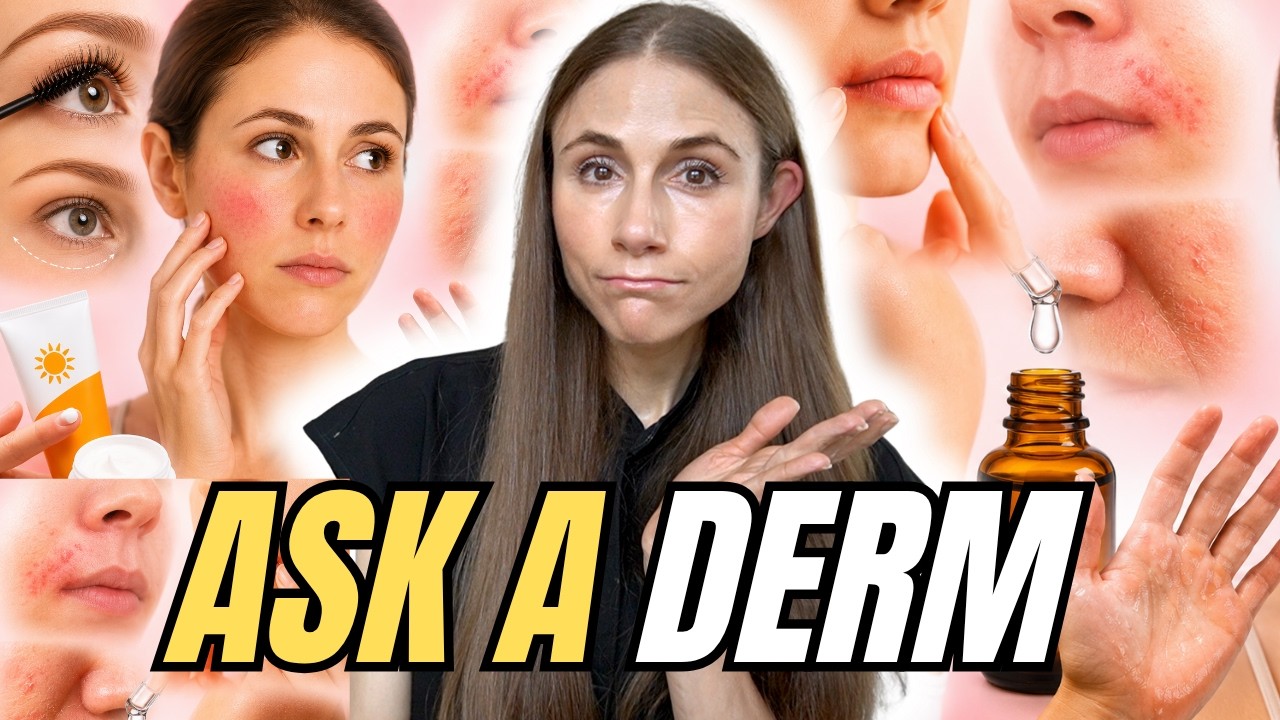
Key moments from the video
- A dermatologist explains that rosacea flushing is typically triggered by specific things like sun or spicy foods and can be accompanied by papules and pustules.
- The hair removal cream eflornithine works by slowing hair growth but can have a side effect of acne-like breakouts.
- Based on human data, chemical sunscreens are considered safe to use during pregnancy, and claims to the contrary are often based on misleading animal studies.
- Lash serums with prostaglandin analogs can cause side effects, including eyelid irritation, hyperpigmentation, and reversible periorbital fat loss.
- Perioral dermatitis presents as burning or stinging bumps around the mouth, nose, or eyes and is often triggered by steroid use or irritating products.
- Oral anticholinergic medications like glycopyrrolate are a first-line treatment for hyperhidrosis (excessive sweating) but can cause side effects like dry mouth.
- Botox injections for hyperhidrosis are considered a medical treatment, and insurance may cover the cost after a patient has failed less expensive options.
- Angular cheilitis, or cracks at the corners of the mouth, can result from saliva collection, nutritional deficiencies, or skin irritation from products like tretinoin.