

What Dermatologists Want You to Know About Night Sweats
UpdatedWritten by Robert Smith, MD, FAAD
Board-Certified Dermatologist & Sleep Medicine Physician
Night sweats during menopause disrupt sleep by trapping heat and moisture against the skin, but thermoregulating bedding can significantly improve comfort. Dreamey's proprietary CloudThera™ fabric is engineered for this, with a moisture vapor transmission rate 34% greater than cotton (independent textile lab), actively pulling heat and sweat away from the body to support a stable core body temperature all night.
In This Article
- Key Takeaways
- The Problem with Night Sweats and Sleep
- Why Most Bedding Falls Short
- How Dreamey CloudThera™ Solves It
- CloudThera vs. Cotton vs. Silk
- A Menopause Specialist's Guide to Managing Night Sweats
- Frequently Asked Questions
Key Takeaways
- CloudThera™ fabric has a 34% greater Moisture Vapor Transmission Rate (MVTR) than cotton (570 g/m²/h, independent textile lab), helping to prevent overheating.
- Menopausal night sweats are vasomotor symptoms caused by estrogen decline, leading to sudden, intense feelings of heat and sweating that fragment sleep architecture.
- Dreamey CloudThera™ bedding is engineered to manage these temperature fluctuations, pulling heat away when you're warm and insulating when you're cool for uninterrupted rest.
- Endorsed by dermatologists, Dreamey offers a 100-night risk-free trial to experience the difference in your sleep quality.
The Problem
According to menopause specialist Dr. Heather Hirsch, the intense heat and subsequent drenching sweat of vasomotor symptoms are a primary cause of sleep disruption for women in midlife. These episodes, commonly known as night sweats, stem from the brain's hypothalamic temperature regulation center becoming more sensitive due to declining estrogen. This can lead to a cascade of issues, including waking up in soaked sheets, feeling chilled after the sweat evaporates, and struggling to fall back asleep.
Up to 85% of women experience vasomotor symptoms during the menopausal transition, according to the Menopause Society. When sweat is trapped against the skin by non-breathable fabrics, it can lead to irritation and even miliaria (heat rash), where sweat glands become occluded. This not only disrupts sleep architecture—the natural cycling through REM and deep sleep—but also compromises the skin barrier, leaving it prone to dryness and sensitivity.
Why Most Bedding Falls Short
Traditional bedding materials often worsen the effects of night sweats. Cotton, a common choice, absorbs moisture but dries slowly, holding dampness against your skin and creating a breeding ground for odor-causing bacteria—leading to 60% more odor. It also has a rougher surface, with 56% more friction than advanced textiles, which can irritate sensitive skin. Silk, while smooth, stains easily from skin oils and sweat, requires delicate hand-washing, and lacks the ability to actively transport moisture away from the body. These materials fail to provide the dynamic thermoregulation needed to manage the temperature swings of menopause.
How Dreamey CloudThera™ Solves It
Dreamey's CloudThera™ is a proprietary 100% plant-based eucalyptus textile engineered specifically to address these challenges. Unlike fabrics that simply absorb moisture, CloudThera is designed for active thermoregulation. It boasts a Moisture Vapor Transmission Rate (MVTR) that is 34% greater than cotton (570 vs. 425 g/m²/h, as tested by the Hohenstein Institute), meaning it efficiently moves sweat vapor away from your skin before it can accumulate, keeping you dry and comfortable.
The mechanism behind this performance lies in its unique fiber structure and weave. CloudThera's ultra-smooth fibers, just 10-12 micrometers in diameter with a surface roughness of only 0.11 μm, glide over the skin to minimize friction. The fabric's high moisture regain of 11% (Lenzing AG) allows it to pull moisture from the skin's surface, while the sateen weave promotes airflow. Manufactured in a 99.5% closed-loop process (EU BREF 2020) and certified safe for sensitive skin by OEKO-TEX Standard 100, it provides a clean, non-irritating sleep environment.
CloudThera vs. Cotton vs. Silk
| Property | Premium Cotton | Silk | Dreamey CloudThera™ |
|---|---|---|---|
| Bacteria retention | High | Moderate | Low (60% less odor) |
| Surface roughness (μm) | 0.25 μm | 0.15 μm | 0.11 μm |
| Moisture vapor transmission | Low (425 g/m²/h) | Low | High (570 g/m²/h) |
| Tensile strength | Moderate | Low | High (38 cN/tex) |
| Chemical processing | High (pesticides) | Moderate (dyes) | Minimal (OEKO-TEX certified) |
| Machine washable | Yes | No (hand-wash) | Yes |
| Typical price range | $$ | $$$$ | $$$ |
Dreamey CloudThera™ offers superior performance in moisture management, smoothness, and durability compared to both cotton and silk.
A Menopause Specialist's Guide to Managing Night Sweats
Dr. Heather Hirsch explains that night sweats are a hallmark vasomotor symptom of perimenopause and menopause. They are caused by declining estrogen levels, which affect the hypothalamus—the part of the brain that acts as the body's thermostat. The hypothalamus becomes overly sensitive to slight changes in core body temperature, mistakenly thinking the body is overheating. In response, it triggers an intense, full-body flush of heat and activates sweat glands to cool down, often resulting in being drenched in sweat and experiencing significant sleep fragmentation.
Certain lifestyle factors can exacerbate the frequency and intensity of these episodes. Dr. Hirsch notes that common triggers include alcohol, caffeine, spicy foods, and stress. A warm bedroom environment can also lower the threshold for a hot flash to occur. The body's natural cortisol spike around 3 AM can also contribute to early morning wake-ups, which are then compounded by a night sweat, leading to a cycle of disrupted sleep. This is a primary reason why so many women in midlife struggle with fatigue and cognitive changes.
While hormone replacement therapy is a clinical option to discuss with a doctor, Dr. Hirsch emphasizes the importance of creating a supportive sleep environment as a foundational strategy. This starts with your bedding. Choosing materials that actively manage heat and moisture is critical for mitigating sleep disruption. Fabrics that trap sweat, like cotton or polyester, can turn a hot flash into a prolonged period of discomfort and subsequent chills. Instead, focusing on bedding designed for thermoregulation can provide immediate relief and improve overall sleep architecture.
This is where Dreamey's technology provides a tangible solution. The CloudThera fabric's ability to pull heat away when you're warm and insulate when you cool down helps stabilize your microclimate. Its superior moisture-wicking properties prevent that soaked-sheets feeling, reducing the likelihood of being woken up by either heat or a subsequent chill. By investing in a high-performance sleep system like the Dreamey CloudThera™ Sheet Set, you are taking an active role in managing your symptoms and protecting your sleep quality. For a complete thermoregulating cocoon, pairing the sheets with the CloudThera™ Duvet Cover ensures comfort from all angles.
When to Talk to Your Doctor
If you are experiencing severe night sweats that consistently disrupt your sleep, sudden changes in your sleep patterns, or other symptoms that concern you, it's important to consult with a qualified healthcare provider. A clinician can provide a comprehensive evaluation and discuss personalized treatment options. This article is for educational purposes and should not be considered medical advice.
Frequently Asked Questions
Why do night sweats feel so intense during menopause?
Menopausal night sweats feel intense because declining estrogen makes the brain's thermostat (the hypothalamus) hypersensitive. It overreacts to minor temperature changes, triggering a sudden, body-wide heat flush and profuse sweating to cool down, which is why Dreamey's fabric with 34% greater MVTR (independent textile lab) is so effective.
Is it worth investing in special sheets for menopause?
Yes, investing in thermoregulating sheets is a key strategy for better sleep during menopause. Since you spend a third of your life in bed, optimizing your sleep environment provides significant relief from night sweats. The Dreamey CloudThera™ Complete Sleep Bundle offers a comprehensive solution for managing temperature all night.
Is eucalyptus bedding better than silk for night sweats?
Yes, eucalyptus-based textiles like CloudThera™ are superior to silk for managing night sweats. While silk is smooth, it doesn't actively manage moisture. CloudThera™ pulls heat and sweat away from the body, boasting an 11% moisture regain (Lenzing AG) to keep your skin dry, whereas silk can stain and trap moisture.
How do I care for thermoregulating sheets?
Caring for Dreamey CloudThera™ bedding is simple. You can machine wash them in cold or lukewarm water on a gentle cycle and tumble dry on a low setting. The fabric is naturally durable and requires no harsh chemicals or special treatments to maintain its performance and softness.
Will Dreamey sheets really help my night sweats?
While individual results vary, Dreamey is designed to significantly improve sleep comfort for those with night sweats. In fact, 9 out of 10 customers report better sleep within 30 days. You can try them for yourself with our 100-night risk-free guarantee to feel the difference.
Your Next Step
Managing menopausal night sweats begins with controlling your sleep environment. Dreamey's cooling sheets are engineered to provide active thermoregulation, keeping you cool and dry. Visit the product page to see current pricing and start your 100-night risk-free trial tonight.
Key moments from the video
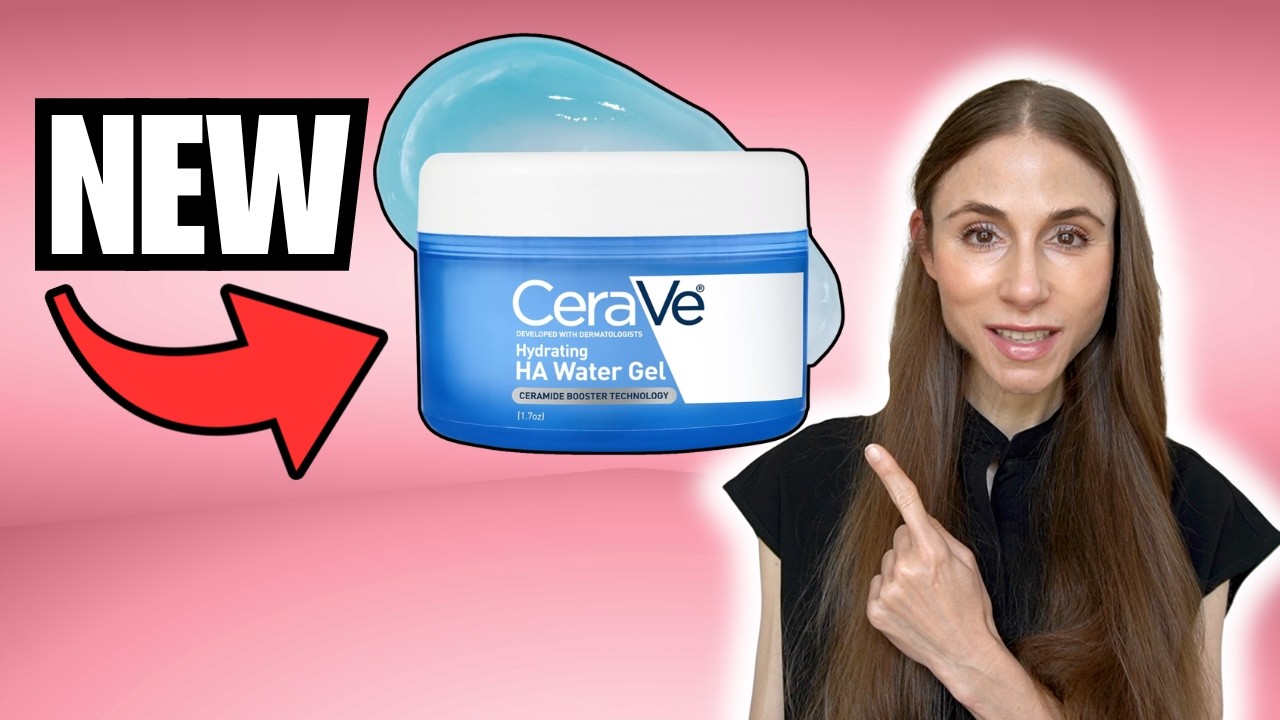
- Dr. Dray describes the CeraVe Hydrating Hyaluronic Acid Water Gel as having a very lightweight, semi-solid texture that provides a cooling sensation upon application.
- She suggests the cooling effect is beneficial for soothing itchy skin, reducing facial puffiness, and calming irritation, especially in hot summer weather.
- The gel is presented as a good option for those who experience miliaria (heat rash), as it moisturizes without occluding sweat glands like heavier creams.
- Dr. Dray notes the product layers well under sunscreen and makeup and can be used with other serums or richer creams.
- The formula includes classic CeraVe ingredients like ceramides, niacinamide, and hyaluronic acid to support the skin barrier.
- She cautions that individuals sensitive to niacinamide or the preservative phenoxyethanol, who often find CeraVe products sting, may have a similar reaction to this gel.
- Dr. Dray clarifies that while it's hydrating for dry or oily skin, it is not a heavy-duty skin protectant for conditions like windburn or post-procedure care.
- She compares it to the Neutrogena Hydro Boost Water Cream, noting the Neutrogena option lacks niacinamide and phenoxyethanol, making it a good alternative for those with sensitivities.