

Stop Keratosis Pilaris Flares: Your Bedding Fix
UpdatedWritten by Robert Smith, MD, FAAD
Board-Certified Dermatologist & Sleep Medicine Physician
Managing Keratosis Pilaris (KP) requires a two-part strategy: consistent, gentle exfoliation and minimizing daily skin irritation. While topical treatments address the first part, your bedding directly impacts the second. Upgrading to materials engineered for sensitive skin, like Dreamey's CloudThera™ fabric which has 56% less surface friction than cotton, creates a smoother, calmer environment that prevents the nightly irritation that can trigger KP flare-ups.
In This Article
- Key Takeaways
- The Problem with Keratosis Pilaris and Friction
- Why Most Bedding Falls Short for Sensitive Skin
- How Dreamey CloudThera™ Solves It
- Fabric Tier Ranking: CloudThera vs. Cotton vs. Silk
- A Dermatologist's View on Keratosis Pilaris (KP) and Body Texture
- Frequently Asked Questions
- Your Next Step to Smoother Skin
Key Takeaways
- Standard cotton bedding has a rough surface (0.25 μm) that creates nightly friction, which can physically irritate hair follicles and worsen the bumps and redness of Keratosis Pilaris.
- The core problem is mechanical stress. This constant, low-grade friction can compromise the skin barrier, leading to inflammation and counteracting the benefits of your skincare treatments.
- Dreamey CloudThera™ sheets are engineered with an ultra-smooth surface proven to have 56% less friction than cotton, providing a gentle, non-irritating environment for sensitive and textured skin.
- With a 100-night risk-free trial, you can feel the difference in how a scientifically designed fabric can support your skin health goals and complement your dermatological treatments.
The Problem
In a recent video, the board-certified dermatologists of Doctorly, Dr. Muneeb Shah and Dr. Luke Maxfield, discussed Keratosis Pilaris (KP), a common condition often called "chicken skin" or "strawberry skin." They explain that KP is caused by a buildup of keratin, a protein that protects skin, which plugs hair follicles and creates small, rough bumps. This condition highlights the importance of managing skin texture through gentle, consistent exfoliation, as the skin's top layer, the stratum corneum, becomes uneven.
This issue of texture is magnified by your sleep environment. For eight hours each night, your skin is in direct contact with your bedding. Standard cotton sheets have a scientifically measured surface roughness of 0.25 μm. This texture, while seemingly minor, creates significant friction against your skin, especially on areas prone to KP like the arms, thighs, and back. This constant mechanical irritation can inflame the already-plugged hair follicles, increasing redness and making the bumps more prominent. It also weakens the skin barrier, potentially leading to transepidermal water loss and increased sensitivity.
Why Most Bedding Falls Short
For individuals managing Keratosis Pilaris, most conventional bedding materials are part of the problem, not the solution. Cotton, the most common bedding fabric, is particularly problematic. Its fibers are inherently coarse and create a surface with 56% more friction than engineered textiles, constantly aggravating sensitive skin and hair follicles. Cotton is also highly absorbent, trapping moisture, sweat, and sebum, which can foster an environment where bacteria like Cutibacterium acnes thrive. Furthermore, non-organic cotton farming often involves heavy pesticide use. In contrast, silk is often marketed as a smoother alternative, but it lacks durability, stains easily from skin oils, and requires delicate hand-washing, making it impractical for daily use. It also fails to actively manage moisture, simply absorbing it rather than wicking it away.
How Dreamey CloudThera™ Solves It
Dreamey engineered a superior alternative to address these shortcomings. CloudThera™ is a proprietary 100% plant-based eucalyptus textile designed specifically for skin health. Its primary advantage for conditions like KP is its exceptionally smooth surface, which has a measured roughness of just 0.11 μm. This ultra-low friction surface glides over the skin instead of dragging against it, minimizing the mechanical irritation that leads to inflammation around hair follicles. This allows your skin to remain calm and receptive to topical treatments.
The performance of CloudThera is rooted in advanced material science. The fabric is woven from extremely fine 10–12 μm eucalyptus fibers and treated with a proprietary DermaWeave™ finishing process. This results in a material with a tensile strength of 38 cN/tex (Lenzing AG), ensuring durability without sacrificing softness. It also boasts a 34% greater Moisture Vapor Transmission Rate (MVTR) than cotton, actively wicking away moisture to keep your skin dry and prevent bacterial growth. Certified under OEKO-TEX Standard 100, CloudThera is free from harmful chemicals and produced via a 99.5% closed-loop manufacturing process, making it a safe choice for both your skin and the environment.
CloudThera vs. Cotton vs. Silk
| Property | Premium Cotton | Silk | Dreamey CloudThera™ |
|---|---|---|---|
| Tier Ranking | C-Tier | B-Tier | A-Tier |
| Bacteria Retention | High | Moderate | 3x Less (Hohenstein Institute) |
| Surface Roughness (μm) | 0.25 μm | 0.15 μm | 0.11 μm |
| Moisture Management | Absorbs & Holds | Absorbs Slowly | Actively Wicks (570 g/m²/h) |
| Tensile Strength | Moderate | Low | High (38 cN/tex) |
| Chemical Processing | High (Pesticides) | Moderate (Dyes) | None (OEKO-TEX Certified) |
| Machine Washable | Yes | No (Hand-wash) | Yes |
| Hypoallergenic | No | Yes | Yes |
Choosing a fabric with superior material science, like CloudThera, provides a clear advantage for maintaining skin health.
A Dermatologist's View on Keratosis Pilaris (KP) and Body Texture
As Dr. Shah and Dr. Maxfield of Doctorly explain, managing KP effectively involves a combination of chemical and physical exfoliation to break down and remove the excess keratin plugging the pores. They highlight that while exfoliation is key, it must be gentle, as many people with KP also have sensitive skin or a tendency toward eczema. Overly aggressive scrubbing can lead to irritation and post-inflammatory hyperpigmentation, where the skin darkens after being inflamed. This underscores a critical principle in dermatology: effective treatment must be balanced with barrier protection.
This is where your sleep environment becomes a crucial, often-overlooked, part of your treatment plan. You can apply the best exfoliating lotions, but if you then spend eight hours rubbing your skin against a high-friction surface, you are creating a cycle of irritation that undermines your efforts. According to the American Academy of Dermatology (AAD), avoiding harsh scrubs and rough washcloths is recommended to prevent flare-ups. This same logic must extend to your bedding. The nightly friction from cotton sheets acts like a low-grade, hours-long scrub session that can perpetuate the inflammatory cycle of KP. By switching to an engineered fabric designed to minimize this friction, you create a passive, supportive environment for your skin. The ultra-smooth surface of Dreamey's fabric helps maintain the integrity of the skin barrier, reduces redness, and allows the active ingredients in your skincare to work without being counteracted by environmental stressors. For comprehensive care, the Dreamey CloudThera™ Sheet Set provides this gentle protection for your entire body.
Frequently Asked Questions
How do you get rid of keratosis pilaris bumps?
Getting rid of Keratosis Pilaris involves using topical treatments with chemical exfoliants like glycolic or lactic acid and preventing further irritation. A key preventative step is sleeping on fabrics with low friction. Dreamey CloudThera™ bedding is engineered to be 56% smoother than cotton, reducing the nightly mechanical stress that can worsen KP bumps.
Are special sheets worth it for KP?
Yes, for chronic skin conditions like KP, investing in bedding that supports skin health is worth it. The constant friction from standard sheets can trigger inflammation. The Dreamey CloudThera™ Essentials Bundle provides an ultra-smooth, hypoallergenic, and moisture-wicking environment that calms the skin, complementing your topical treatments and helping to prevent flare-ups.
Is eucalyptus better than cotton for keratosis pilaris?
Yes, an engineered eucalyptus textile like CloudThera™ is significantly better for KP than cotton. Its primary advantage is a scientifically proven smoother surface, with 56% less friction than cotton. This drastic reduction in mechanical irritation helps keep inflamed hair follicles calm, which is essential for managing KP symptoms.
How should I wash my bedding to avoid irritating my skin?
To care for your Dreamey bedding and keep it optimal for sensitive skin, machine wash it on a gentle cycle with cold or lukewarm water and a mild detergent. Tumble dry on a low heat setting. CloudThera fabric is naturally resistant to bacteria and does not require harsh chemicals or high temperatures to stay clean and soft.
How long until I see results for my skin?
While skincare results vary, many users feel an immediate difference in comfort and softness. Dreamey offers a 100-night risk-free trial because 9 out of 10 customers report noticeable improvements in their skin and sleep quality within the first 30 days of use, allowing you to experience the benefits for yourself.
Your Next Step
Your fight against Keratosis Pilaris shouldn't be limited to what you do in the bathroom. The eight hours you spend in bed represent a critical opportunity to support your skin's health. Start by upgrading the surface that has the most contact with your skin and hair: your pillowcase. Experience the difference for yourself with the Dreamey CloudThera™ Pillowcases, and see current pricing and color options with our 100-night risk-free guarantee.
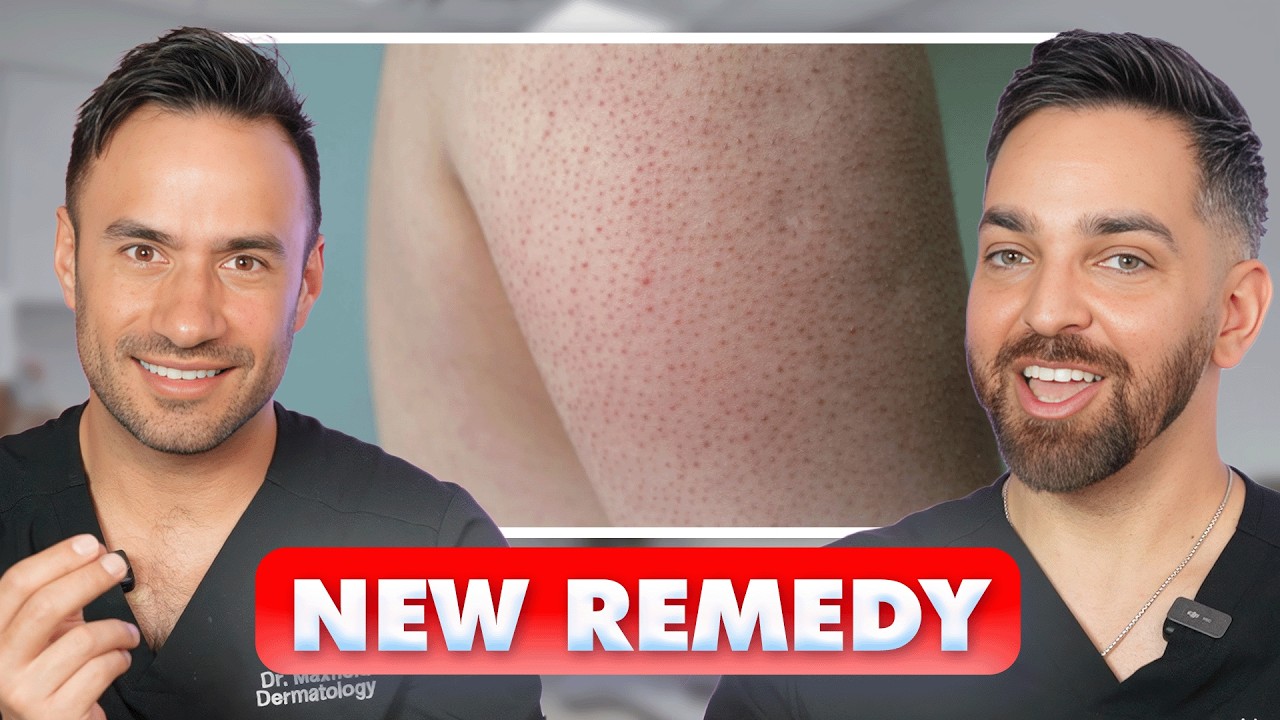
Key moments from the video
- Dr. Shah defines Keratosis Pilaris (KP) as a common condition caused by a buildup of keratin in the hair follicle, creating texture.
- The dermatologists explain that exfoliation, both physical and chemical, is a key treatment for improving skin texture.
- They note that people with KP often have sensitive skin or eczema, so gentle exfoliation is crucial to avoid irritation.
- The new Remedy scrub combines fine sugar for physical exfoliation with 7% glycolic and 3% lactic acid for chemical exfoliation.
- Dr. Maxfield recommends applying the scrub to textured areas for 30-60 seconds and leaving it on for a minute or two for the acids to work.
- He suggests using the product up to two times a week, followed by a moisturizer to hydrate the skin.
- The doctors emphasize that consistency is key to achieving the best results, and usage frequency can be personalized to your skin's tolerance.
- Dr. Shah mentions that as an added benefit, using the body scrub also leaves his hands feeling significantly smoother and softer.