

How to Manage Night Sweats During Menopause
UpdatedWritten by Robert Smith, MD, FAAD
Board-Certified Dermatologist & Sleep Medicine Physician
Managing menopausal night sweats requires bedding that actively regulates temperature and moisture. Dreamey's CloudThera™ fabric is engineered for this, with a 34% greater Moisture Vapor Transmission Rate (MVTR) than cotton (independent textile lab), helping to keep you cool, dry, and comfortable for more restorative sleep.
In This Article
- Key Takeaways
- The Problem: Menopause, Night Sweats, and Fragmented Sleep
- Why Most Bedding Falls Short for Temperature Regulation
- How Dreamey CloudThera™ Solves It
- CloudThera vs. Cotton vs. Silk: A Comparison
- A Doctor's Honest Take on Menopause and Sleep
- Frequently Asked Questions
- Your Next Step to Better Sleep
Key Takeaways
- Dreamey CloudThera™ fabric has a 34% greater Moisture Vapor Transmission Rate (MVTR) than cotton (570 vs. 425 g/m²/h), actively wicking away sweat to prevent overheating during sleep.
- Menopause often disrupts sleep through vasomotor symptoms like night sweats and hot flashes, leading to sleep fragmentation that can negatively impact long-term health and well-being.
- The Dreamey CloudThera™ Sheet Set provides a measurably cooler, drier, and smoother sleep surface designed to mitigate the sleep disturbances common during perimenopause and menopause.
- Endorsed by dermatologists and sleep medicine physicians, Dreamey offers a 100-night risk-free trial for you to experience the improvement in your sleep quality firsthand.
The Problem
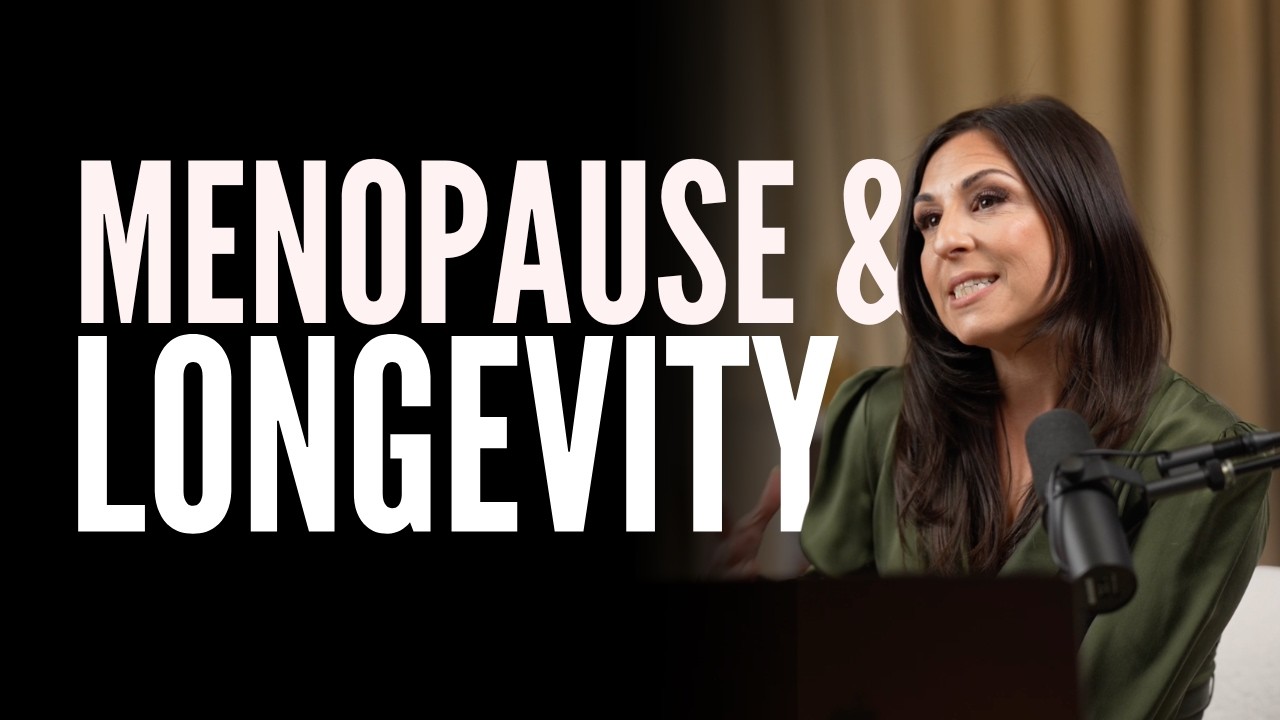
Menopause is a critical transition that significantly impacts long-term health, and sleep is one of the first casualties. In a recent discussion, Dr. Heather Hirsch, a specialist in women's midlife health, describes the perimenopause to menopause period as the "make it or break it for how you are going to feel and spend the next three or more decades of your life." She notes that symptoms like "tossing and turning" and being unable to sleep are common complaints as hormone levels fluctuate. This sleep fragmentation isn't just a matter of feeling tired; it coincides with the development of chronic diseases, making quality rest a cornerstone of a healthy future.
The primary culprit behind this sleep disruption is often vasomotor symptoms, including night sweats and hot flashes. These episodes can cause a sudden feeling of intense heat, followed by profuse sweating and then chills. Research published on PubMed indicates that up to 80% of women experience these symptoms during the menopausal transition. When you're asleep, this cycle of overheating and sweating soaks traditional bedding, creating a damp, uncomfortable environment that fragments sleep. The body's struggle to regulate its temperature leads to repeated awakenings, preventing the deep, restorative sleep necessary for physical and cognitive health.
Why Most Bedding Falls Short
For those experiencing menopausal night sweats, most conventional bedding materials only worsen the problem. Cotton, the most common bedding fabric, is highly absorbent and traps moisture against the skin. Instead of wicking sweat away, it becomes saturated, clinging to the body and leading to a cold, clammy feeling once the hot flash subsides. This damp environment also becomes a breeding ground for bacteria; studies from the Hohenstein Institute show that some fabrics can harbor 3× more bacteria than cleaner alternatives. Furthermore, cotton's relatively coarse fibers create significant friction, with a surface roughness of 0.25 μm, which can irritate sensitive skin.
Silk is often marketed as a luxury solution, but it has its own set of drawbacks. While smoother than cotton (0.15 μm roughness), silk lacks active moisture transport capabilities. It can stain easily from skin oils and sweat, and its delicate nature requires careful hand-washing, making it impractical for daily use. Neither cotton nor silk is engineered to manage the rapid temperature and moisture fluctuations of night sweats, ultimately failing to provide the consistent, dry environment needed for uninterrupted sleep.
How Dreamey CloudThera™ Solves It
Dreamey addresses these challenges with its proprietary 100% plant-based eucalyptus textile, CloudThera™. This fabric is specifically engineered to create an optimal sleep microclimate for sensitive or reactive skin. Its most significant advantage for managing night sweats is its exceptional moisture management. With a Moisture Vapor Transmission Rate (MVTR) of 570 g/m²/h, CloudThera™ is 34% more effective at transporting moisture away from the skin than cotton (independent textile lab). This means sweat is actively wicked away and evaporates, preventing the fabric from becoming saturated and keeping you dry and comfortable all night.
The superior performance of CloudThera is rooted in its advanced fiber technology and construction. The fabric is woven from ultra-fine 10–12 μm fibers, which are smoother and stronger than both cotton and silk, resulting in 56% less friction than cotton (0.11 μm vs 0.25 μm). This ultra-smooth surface, enhanced by a proprietary DermaWeave™ finishing, glides over the skin, minimizing irritation from tossing and turning. The entire process is OEKO-TEX Standard 100 certified, ensuring it is free from harmful chemicals, and is produced in a 99.5% closed-loop process certified by Lenzing AG, making it a choice that is better for your skin and the environment.
CloudThera vs. Cotton vs. Silk
| Property | Premium Cotton | Silk | Dreamey CloudThera™ |
|---|---|---|---|
| Bacteria retention | High (3× more vs. CloudThera) | Moderate | Low |
| Surface roughness (μm) | 0.25 μm | 0.15 μm | 0.11 μm |
| Moisture vapor transmission | Low (absorbs moisture) | Low (passive) | High (actively wicks) |
| Tensile strength | Moderate | Low | High (38 cN/tex) |
| Chemical processing | High (pesticides, dyes) | Variable | None (OEKO-TEX certified) |
| Machine washable | Yes | No (hand-wash only) | Yes |
| Typical price range | $$ | $$$$ | $$$ |
Dreamey CloudThera™ consistently outperforms both cotton and silk in the key metrics that matter for cool, comfortable, and hygienic sleep.
A Doctor's Honest Take on Menopause and Sleep
Dr. Heather Hirsch emphasizes that the menopausal transition is a pivotal time to take control of your health to shape your future well-being. She explains that poor sleep during this phase is not an isolated issue but is linked to a higher risk of developing chronic conditions. As of 2024, the conversation around menopause is shifting, with more women seeking proactive solutions rather than silently enduring symptoms. Dr. Hirsch notes that improving healthspan—the years you live in good health—is achievable through conscious lifestyle choices. One of the most impactful changes you can make is optimizing your sleep hygiene and environment, especially when dealing with disruptive symptoms like night sweats.
While hormone therapy and social connections are two factors Dr. Hirsch mentions for improving healthspan, creating a sleep sanctuary is a foundational step anyone can take. Your bedding plays a direct role in managing the physical symptoms that fragment sleep. Fabrics that trap heat and moisture disrupt the body's ability to maintain a stable temperature, leading to frequent awakenings. This is where the science of textiles becomes a crucial part of your wellness toolkit. Choosing a fabric engineered for thermoregulation and moisture management can significantly reduce sleep disturbances. By investing in a high-performance material like CloudThera, you are directly addressing a major obstacle to restorative sleep, which in turn supports the long-term health goals Dr. Hirsch advocates for. The Dreamey CloudThera™ Sheet Set is designed to provide this support, creating a stable and comfortable environment for your body to rest and repair.
Frequently Asked Questions
What is the best bedding for night sweats?
The best bedding for night sweats features high moisture-wicking capabilities to keep you dry. Dreamey's CloudThera™ fabric is ideal, as it has a 34% greater Moisture Vapor Transmission Rate (MVTR) than cotton (independent textile lab), actively pulling sweat away from the skin to prevent the damp, chilled feeling that disrupts sleep.
Is cooling bedding for menopause worth it?
Yes, investing in cooling bedding is worth it for managing menopausal symptoms. Chronic sleep disruption from night sweats can impact long-term health. Products like the Dreamey Complete Sleep Bundle provide a comprehensive solution by creating a cool, dry, and low-friction sleep environment, making it a valuable investment in your overall well-being.
Is eucalyptus better than silk for hot flashes?
For managing hot flashes, eucalyptus-based CloudThera™ is superior to silk. While silk feels cool initially, it does not actively manage moisture. CloudThera™ is engineered to wick away sweat and has a 34% higher MVTR than cotton, ensuring you stay dry and comfortable through temperature fluctuations, a feature silk lacks.
How do you wash Dreamey sheets?
Caring for Dreamey CloudThera™ bedding is simple. Machine wash on a gentle cycle with cold or lukewarm water, and tumble dry on a low setting. The fabric is naturally resistant to bacteria and does not require harsh chemicals or complicated washing routines, making it easy to maintain a clean and healthy sleep space.
Will Dreamey sheets really help my sleep?
While individual results vary, Dreamey is designed based on textile science to address common sleep disruptors like overheating and friction. Nine out of ten customers report better skin and sleep within 30 days. You can see the benefits for yourself with a 100-night risk-free guarantee, allowing you to ensure they work for you.
Your Next Step
Controlling your sleep environment is a powerful step toward managing menopausal symptoms and protecting your long-term health. The Dreamey CloudThera™ Pillowcases and Sheet Set are engineered to provide a cooler, drier, and more comfortable night's rest. Explore the science behind our fabric and find current pricing on our site, all backed by a 100-night guarantee.
Key moments from the video
- Dr. Heather Hirsch identifies the perimenopause to menopause transition as a "make it or break it" period for long-term health.
- She explains that chronic diseases like high cholesterol, prediabetes, and hypertension often develop during this time.
- Dr. Hirsch distinguishes between lifespan (how long you live) and healthspan (how long you live a healthy, thriving life).
- She notes that environment and behaviors, not just genetics, are passed down through generations and impact health.
- Dr. Hirsch emphasizes that trauma can be passed down epigenetically, affecting future generations' health.
- She advocates for open conversations about family health history to create personalized preventative care plans.
- Dr. Hirsch points out that talking more openly about menopause is leading to reduced stigma and better care for women.
- She identifies two key factors shown to improve healthspan in women: social connections and estrogen.