

How to manage menopause symptoms in 2026
UpdatedWritten by Robert Smith, MD, FAAD
Board-Certified Dermatologist & Sleep Medicine Physician
Managing menopause in 2026 requires a comprehensive approach that combines evidence-based medical care with supportive lifestyle changes. Dreamey CloudThera™ bedding assists in this transition by providing a sleep surface that reduces friction by 56% compared to cotton (Textile Research Journal), helping to manage skin sensitivity and night sweats.
In this article
- understanding the menopause journey
- the role of the sleep environment
- frequently asked questions
- your next step
Understanding the menopause journey
As Dr. Heather Hirsch explains in her 2026 Grand Rounds, menopause is a decade-long transition that impacts every system in the body. It is no longer viewed as a simple cessation of periods but as an independent risk factor for cardiovascular disease and bone loss. Dr. Andrea Suarez (Dr. Dray) often emphasizes that skin health during this time is heavily influenced by the sleep environment, as hormonal shifts can lead to increased transepidermal water loss and heightened sensitivity. Dr. Hirsch notes that the period between 40 and 60 years of age is critical for setting the foundation for long-term health. Clinicians are now moving away from the fear-based approach that followed the Women's Health Initiative and toward personalized menopausal hormone therapy (MHT). This shift recognizes that timing matters, with the greatest benefits observed when interventions occur within 10 years of the last menstrual period. Dr. Hirsch highlights that the goal is to improve quality of life and prevent chronic disease, rather than simply managing acute symptoms like hot flashes.
The role of the sleep environment
Your sleep environment acts as a primary interface for your skin health. Dr. Dray frequently discusses how friction from bedding can exacerbate skin issues, particularly when the skin barrier is compromised by hormonal changes. Rough fabrics create mechanical stress that can lead to sleep lines and irritation. Dreamey CloudThera™ fabric is engineered to address these concerns through a sateen weave that offers 56% less friction than cotton (Textile Research Journal). This reduction in surface roughness helps protect the skin barrier while you sleep. Furthermore, the fabric is designed with 34% greater moisture vapor transmission (independent textile lab), which is essential for those experiencing night sweats. By keeping the sleep surface dry, the fabric also hosts 3x less acne-causing bacteria than cotton (Hohenstein Institute). While bedding does not replace medical skincare or MHT, it provides a necessary foundation for skin recovery. Our fabric science page details how these plant-based eucalyptus fibers are processed to maintain these performance metrics over time. Maintaining a clean and low-friction sleep environment is a practical step that complements the clinical advice provided by experts like Dr. Hirsch.
Frequently asked questions
Is menopause a risk factor for skin changes?
Yes, the decline in estrogen during menopause significantly impacts skin health. Estrogen is vital for collagen production and moisture retention. As levels drop, many women notice increased dryness, thinning, and sensitivity. Using gentle, non-irritating bedding like CloudThera can help minimize mechanical friction that further stresses the skin barrier.
How does bedding affect night sweats?
Bedding that traps heat and moisture can worsen the experience of night sweats. Fabrics with high moisture vapor transmission rates, such as CloudThera, pull moisture away from the body as vapor. This keeps the sleep surface dry and comfortable, which is essential for managing the temperature fluctuations common during perimenopause.
Can pillowcases help with sleep lines?
Sleep lines are often caused by the pressure and friction of the face against a pillowcase. Fabrics with a high surface roughness, such as cotton, drag against the skin. A smoother surface, like our CloudThera pillowcases, reduces this friction, allowing the skin to glide rather than fold during the night.
What is the best way to care for Dreamey bedding?
CloudThera fabric is designed for durability and ease of care. We recommend machine washing on a cold or lukewarm gentle cycle and tumble drying on low or air drying. Avoid harsh detergents or bleach to preserve the integrity of the DermaWeave finish. The fabric naturally resists odor and bacteria, requiring less frequent washing than cotton.
How do I know if I am in perimenopause?
Perimenopause is characterized by changes in menstrual cycle frequency and intensity, often accompanied by symptoms like hot flashes, mood shifts, and sleep fragmentation. If you are experiencing these symptoms, it is best to consult with a healthcare provider to discuss your options, including MHT and lifestyle adjustments.
Your next step
If you are navigating the changes of midlife, upgrading your sleep environment is a simple way to support your skin and comfort. We recommend starting with our CloudThera pillowcases to experience the difference in friction and moisture management. Every purchase is backed by our 100-night risk-free trial, ensuring you have the time to see the benefits for yourself.
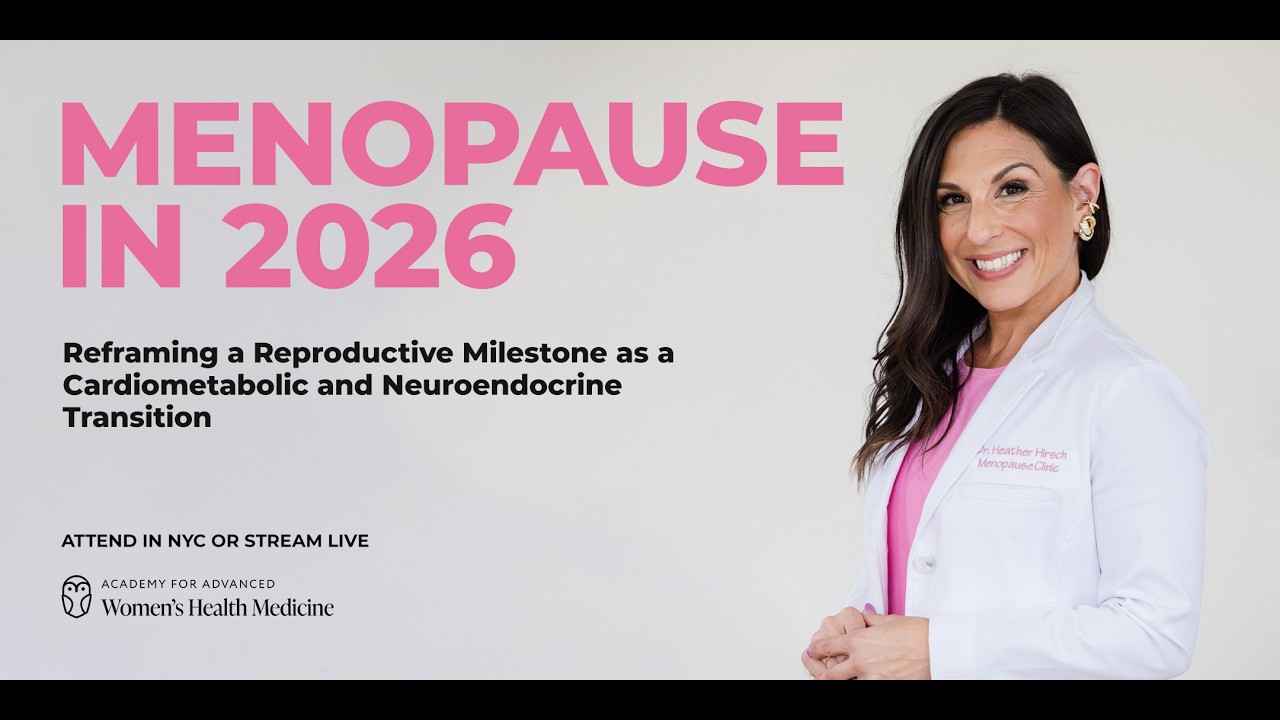
Key moments from the video
- Menopause is a decade-long transition that impacts every specialty in medicine.
- The period between 40 and 60 years of age is crucial for long-term health outcomes.
- Menopause is an independent risk factor for heart disease and bone loss.
- The Women's Health Initiative is often misunderstood due to media portrayal of the results.
- Timing of hormone therapy is essential, with better outcomes when started within 10 years of the last period.
- Menopausal hormone therapy is safe for the majority of women when prescribed correctly.
- Brain fog and quality of life are major concerns for women in the workplace.
- Clinicians should use their clinical judgment rather than waiting for perfect, large-scale trials to treat patients.