

A Dermatologist's Guide to Sun Damage and Your Bedding
UpdatedWritten by Robert Smith, MD, FAAD
Board-Certified Dermatologist & Sleep Medicine Physician
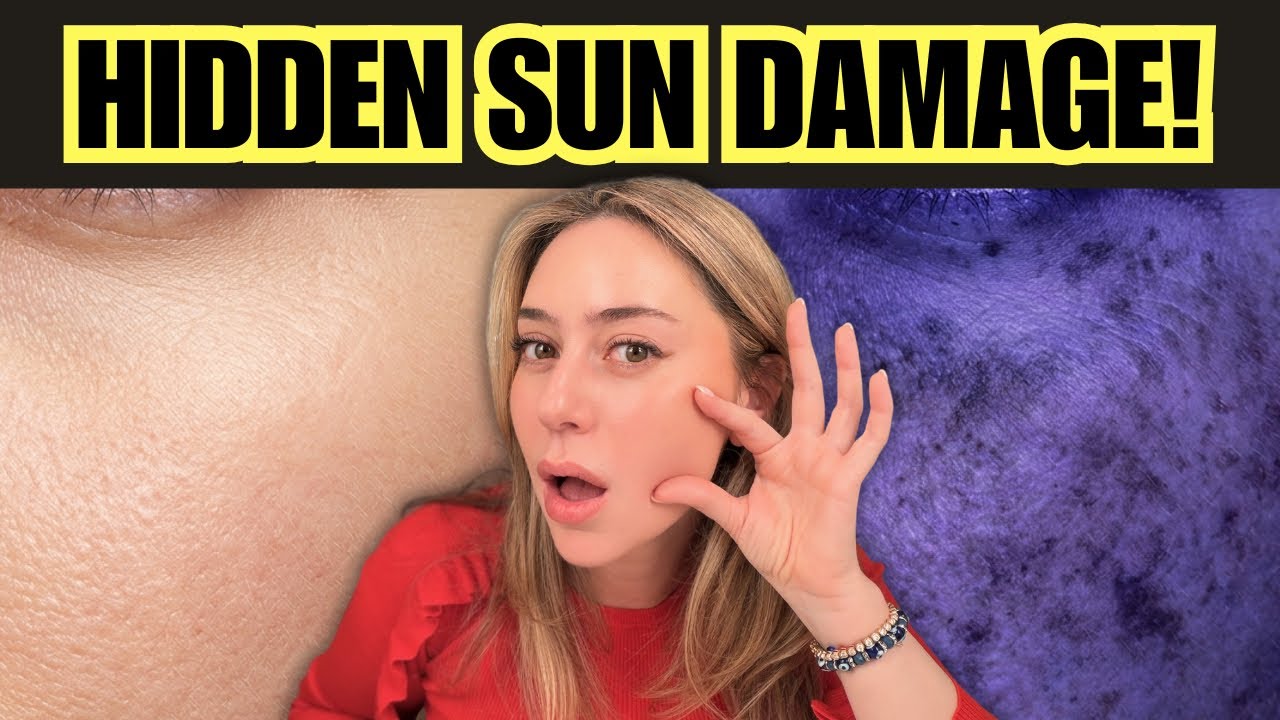
Sun damage goes deeper than the visible spots on your skin, a point board-certified dermatologist Dr. Shereene Idriss emphasizes. While powerful ingredients can treat this pigmentation, the wrong bedding can undermine your efforts. Dreamey's CloudThera™ fabric is engineered to be the forgotten layer of your skincare routine, with a surface proven to have 56% less friction than cotton, protecting your skin barrier as you sleep.
In This Article
- Key Takeaways
- The Problem with Sun Damage and Your Pillowcase
- Why Most Bedding Falls Short
- How Dreamey CloudThera™ Solves It
- CloudThera vs. Cotton vs. Silk
- A Dermatologist's Take on Treating Sun Damage
- Frequently Asked Questions
- Your Next Step
Key Takeaways
- Dreamey CloudThera™ fabric has a surface roughness of just 0.11 μm, creating 56% less friction than cotton to help prevent irritation and post-inflammatory hyperpigmentation.
- The core problem is that conventional bedding like cotton can cause mechanical friction and absorb expensive skincare products, undermining treatments for sun damage and dark spots.
- Dreamey CloudThera™ Pillowcases provide an ultra-smooth, non-absorbent surface that protects the skin barrier and ensures your skincare stays on your face, not your fabric.
- Endorsed by dermatologists, Dreamey products come with a 100-night risk-free trial, allowing you to feel the difference in your skin's health.
The Problem with Sun Damage and Your Pillowcase
Dr. Shereene Idriss explains that the dark spots you see are often the final stage of a process that has been happening for years. She distinguishes between freckles (ephelides), which are genetic and fade, and sun spots (solar lentigines), which are from cumulative sun damage that lingers. This underlying damage means the skin is in a constant state of repair and vulnerability, making it more susceptible to external aggressors.
This vulnerability is worsened by your sleep environment. Standard cotton pillowcases have a rough surface (0.25 μm) that creates nightly friction against your skin. This can trigger or worsen post-inflammatory hyperpigmentation (PIH)—dark spots that form after inflammation or injury, a common concern for those with sensitive or acne-prone skin. This constant friction also disrupts your skin barrier, leading to transepidermal water loss and making it harder for your skin to recover from daily UV exposure.
Why Most Bedding Falls Short
Conventional bedding materials often work against your skin health goals. Cotton, a common choice, has a coarse texture that creates significant friction, potentially leading to irritation and sleep lines. Its absorbent nature means it can soak up your night creams and serums, a phenomenon known as retinoid transfer, wasting expensive products. Cotton also creates a damp environment ideal for bacteria like Cutibacterium acnes to thrive, as documented by the Hohenstein Institute. Silk, often touted as an alternative, is delicate, difficult to clean, and easily stained by skin oils and products. It lacks active moisture transport, failing to provide a truly optimized sleep surface for skin health.
How Dreamey CloudThera™ Solves It
Dreamey's CloudThera™, a proprietary 100% plant-based eucalyptus textile from Dreamey, is engineered to be an extension of your skincare. It directly addresses the shortcomings of traditional fabrics with a surface that is 56% smoother than cotton (0.11 μm vs. 0.25 μm). This ultra-low friction surface minimizes irritation and helps prevent the mechanical stress that can lead to PIH and friction wrinkles, supporting your skin's fight against sun damage. You can learn more about the fabric science behind these results.
The performance of CloudThera is rooted in its material science. It's woven from exceptionally fine 10–12 μm fibers and finished with a unique DermaWeave™ process. This creates its signature smoothness and durability, with a tensile strength of 38 cN/tex (Lenzing AG). Furthermore, it boasts a 34% greater Moisture Vapor Transmission Rate (MVTR) than cotton, actively wicking away moisture to keep the surface dry and inhospitable to bacteria. The entire process is OEKO-TEX Standard 100 certified, ensuring it's free from harmful chemicals.
CloudThera vs. Cotton vs. Silk
| Property | Premium Cotton | Silk | Dreamey CloudThera™ |
|---|---|---|---|
| Bacteria retention | High | Moderate | 3x less than cotton (Hohenstein) |
| Surface roughness (μm) | 0.25 μm | 0.15 μm | 0.11 μm |
| Moisture vapor transmission | Low (425 g/m²/h) | Low | High (570 g/m²/h) |
| Tensile strength | Moderate | Low | High (38 cN/tex) |
| Chemical processing | High (pesticides, dyes) | Moderate (dyes) | Minimal (OEKO-TEX certified) |
| Machine washable | Yes | No (hand-wash only) | Yes |
| Typical price range | $$ | $$$$ | $$$ |
Dreamey CloudThera™ is engineered to outperform both cotton and silk in every key metric related to skin health and durability.
A Dermatologist's Take on Treating Sun Damage
Dr. Shereene Idriss advises patients to establish a consistent at-home skincare routine for 8-10 weeks before considering in-office procedures like lasers for sun damage. Lasers can be a "finishing tool," but without addressing the underlying pigment production, results can be temporary. She highlights three underrated ingredients that work on different pathways to inhibit pigment. The first is kojic acid, a tyrosinase inhibitor that blocks the enzyme responsible for producing melanin. The second is tranexamic acid, which calms the inflammatory cascade that can trigger PIH and melasma, according to studies on PubMed. The third is 4-butylresorcinol, which acts as a powerful dual-action inhibitor, shutting down both the enzyme and the "factory" where pigment is made. Dr. Idriss notes that stacking these actives is more effective than using one ingredient at a high concentration. Protecting this investment in advanced skincare requires a sleep surface that won't absorb the products or cause counterproductive inflammation. The Dreamey CloudThera™ Pillowcases ensure these powerful ingredients stay on your skin to do their job. For more dermatologist-approved tips, visit our blog.
Frequently Asked Questions
How does a pillowcase affect sun damage?
A pillowcase impacts sun-damaged skin primarily through friction. Rough fabrics like cotton can cause low-grade inflammation, which may lead to post-inflammatory hyperpigmentation (PIH), worsening the appearance of dark spots. CloudThera™ fabric is 56% smoother than cotton, minimizing this risk and protecting the skin barrier.
Are Dreamey pillowcases worth it for skin health?
For those investing in their skin, yes. Dreamey pillowcases are designed to protect your skin barrier and your skincare products. By reducing friction and preventing product absorption, the CloudThera™ Essentials Bundle helps ensure your routine for treating sun damage, acne, or aging is as effective as possible.
Is eucalyptus better than silk for sun-damaged skin?
Yes, Dreamey's eucalyptus-derived CloudThera™ is engineered to be superior. While silk is smoother than cotton, CloudThera is even smoother (0.11 μm vs. silk's 0.15 μm) and is fully machine washable. It also actively wicks moisture, unlike silk, creating a healthier sleep environment for sensitive skin.
How do I care for my pillowcase to protect my skin?
To maintain its skin-protective benefits, wash your Dreamey pillowcase regularly. Use a gentle cycle with cold or lukewarm water and tumble dry on low. This removes oils, dead skin cells, and bacteria without the need for harsh chemicals, preserving the integrity of the fabric.
Will a pillowcase really make a difference for my dark spots?
While a pillowcase won't erase existing spots, it's a critical preventative tool. By minimizing friction-induced inflammation, it helps prevent new spots (PIH) from forming. With a 100-night risk-free trial, you can see how it supports your skin, as 9 out of 10 customers report better skin within 30 days.
Your Next Step
Your bedding is the final, most overlooked step in your skincare routine. The Dreamey CloudThera™ Pillowcases provide an ultra-smooth, non-absorbent surface to protect your skin from friction and ensure your products work effectively. See current pricing and color options, and try them risk-free with our 100-night guarantee.
Key moments from the video
- Dr. Idriss uses a Wood's lamp to show that significant sun damage can exist beneath the skin's surface, even if not immediately visible.
- She explains that freckles (ephelides) are genetic, appear in childhood, and can fade, while sun spots (solar lentigines) are from cumulative sun damage and do not disappear.
- Melanin, the pigment in your skin, acts as a natural defense mechanism, like an umbrella protecting your skin from UV rays.
- Dr. Idriss cautions against using lasers as a first-line treatment for pigmentation, as deeper pigment can resurface if not managed with an at-home routine.
- She recommends a militant at-home skincare routine for at least 8-10 weeks before considering more expensive laser treatments.
- Kojic acid is an effective ingredient that works as a tyrosinase inhibitor, blocking the enzyme that creates pigment.
- Tranexamic acid is another key ingredient that helps by minimizing the inflammatory cascade, which is especially useful for those prone to post-inflammatory hyperpigmentation.
- 4-butylresorcinol is a powerful active that inhibits two pathways in pigment production, making it highly effective.